Key takeaways
-
A strong and effective classroom management plan is key to a successful year in an elementary classroom.
-
Clear expectations, communication, and consistency are critical components of a proactive and effective elementary classroom management plan.
-
A strong elementary classroom management plan helps students develop the foundational habits and skills they need for middle and high school.
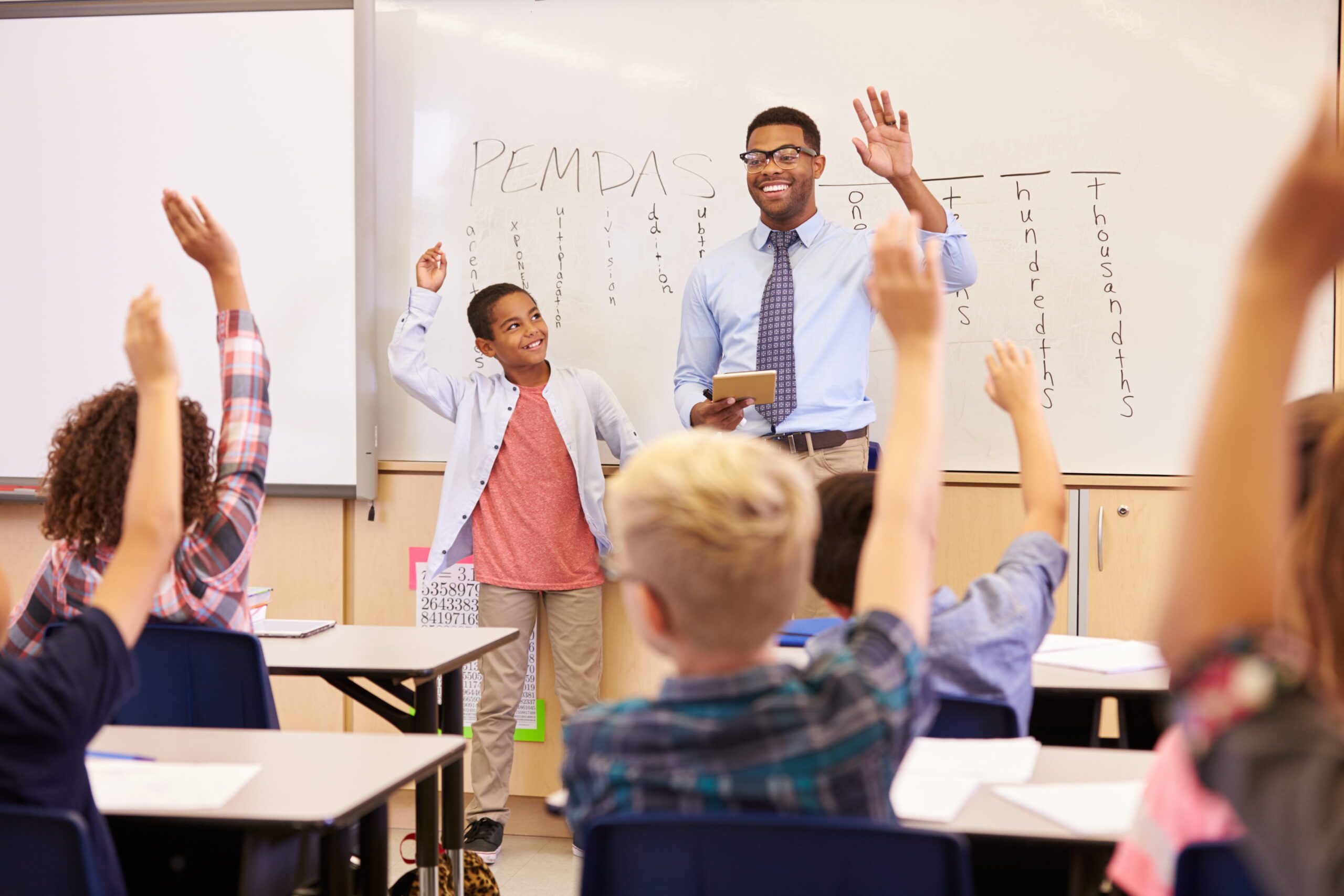
In an elementary classroom, your classroom management plan can either make or break your entire school year. Recognizing the unique needs and developmental milestones of elementary schoolers will go a long way toward creating a calm, safe, and predictable learning environment where students can thrive. Your elementary classroom management plan should focus on learning and on helping students develop a strong sense of belonging and felt safety, while giving them opportunities to practice important social and life skills in a low-stakes environment.
Start building your elementary classroom management plan with these ten strategies, and tap into the educational resources available online.
10 Effective Elementary Classroom Management Strategies
Relationship Building
Building strong relationships with students is the most important proactive strategy for elementary classroom management. Start on the first day of school, as many teachers do, with traditional “getting to know you� activities. Keep the momentum going throughout the school year by asking questions, having informal conversations with students, and following up on what they share. Use this background knowledge when planning lessons to connect learning to their real lives and increase student interest and engagement. Making your students feel safe, seen, and valued will go a long way toward building the intrinsic motivation they need to make thoughtful choices in the classroom.
Clear, Specific Routines and Expectations
From the very first day of school, create and communicate clear, specific routines and expectations for students. Do this for every aspect of the school day, from entering the classroom in the morning to transitioning between activities to walking through the hallways of the school building. Help students understand why these routines and expectations matter, and build in time to practice them throughout the year, as needed.
Consistency
Consistency really is the key to effective elementary classroom management. Kids thrive on routine. Communicate expectations at the beginning of the year, and be consistent in following through and holding students accountable for their actions. If students see inconsistency, they will take every opportunity to take advantage of it. Minimize downtime, as this almost always leads to disruptions and other behavior issues.
Morning Greetings
Standing at the door to greet students as they arrive each day is a great elementary classroom management strategy. It makes students feel welcome, and it’s also a good time to gather information about and chat with your students. As students arrive at school, greet them by name, engage them in informal conversation, and make them feel welcomed back into the classroom.
Morning Meetings
Morning meetings are a terrific way to build acaring classroom community. Typically, a morning meeting happens at the beginning of the day or class period and lasts about 10-15 minutes. During a morning meeting, students might answer a question of the day, participate in a role play or team-building activity, or listen to a book and discuss a related social-emotional learning skill. The overarching goal of a morning meeting is to give students opportunities to get to know one another better, get to know you better, and practice important social skills.
Mindfulness Practice
Implement a daily mindfulness practice into your classroom. Choose a time of day that is often chaotic, such as when students return from gym or recess, and explicitly teach students a mindfulness strategy. Practice it each day for a week or two, before moving on to a new strategy. Help students understand that mindfulness is a proactive way to keep their bodies and brains calm, and that they can use these same strategies reactively to calm down when they feel escalated. This practice helps students build the self-regulation skills they will need as they get older.
Brain Breaks
We all need breaks throughout the day. Recognize this need and plan for it by scheduling brain breaks into your instructional day. Brain breaks are short breaks that let students stand up, move around, stretch, and turn off their brains for a few minutes. Incorporating a few brain breaks into your day ensures students’ brains are ready to learn and reduces disruptions and behavioral issues. Be flexible in incorporating brain breaks into your day. You know your students. When they look like they need a break, they probably do.
Calm Down Space
If you’ve ever needed a space to retreat to for peace, quiet, and time to think, you understand the importance of a calm down space. Intentionally plan a space in your classroom for this very purpose. It should be within eyesight of classroom instruction, and might include sensory tools, visual reminders of strategies students have learned, comfortable seating options, and low lighting. Set clear expectations for the calm-down space, and teach students how and when to use it, as well as the tools available to them.
Positive Reinforcement
Consistent positive reinforcement is an important part of your elementary classroom management plan. Provide this feedback not only to students who consistently make smart choices and often don’t get the recognition they deserve, but also to struggling students when the opportunity arises. Celebrating small wins as a normal part of your classroom culture gives students the affirmation many need and models how to encourage peers.
Have Fun!
When students see you having fun in the classroom, the feeling becomes contagious, and that’s a win for everyone.
Explore K-12 Classroom Management Resources
See how °Ç¸çºÚÁÏ can support educators.
Why is effective classroom management in elementary school important?
Effective classroom management is critical in the elementary classroom. At this age, students develop the foundational habits and social behaviors that will carry them through the rest of their lives. They need strong teacher control and structure, along with simple processes and routines, to learn these skills and build the independence and autonomy necessary for middle school.
Creating an elementary classroom management plan that maximizes learning time, builds a positive classroom environment, and relies on clear, consistent routines and expectations will help students thrive academically, socially, and behaviorally. This can lead to fewer disruptions, smoother transitions, stronger student engagement, and improved academic performance. This puts the focus on learning rather than constantly addressing classroom behaviors and disruptions.
Take the time at the beginning of the school year to develop your elementary classroom management plan. Consider the boundaries, expectations, and routines that are a priority for you, and how you can explicitly communicate them to students. Think about the classroom environment you hope to create, and identify the components needed to make it happen. Be flexible as the year progresses and you get to know your students better. Most importantly, have fun, and your students will too.