
Ǹ

Commemorate the U.S.'s 250th Anniversary with Free Social Studies Resources!

Building Student Leaders:Exploring Civics and Leadershipin the Classroom

Picture of Courtney Conley

Leadershipshapes communities, classrooms, and countries, and it evolves with every generation that steps forward to make a difference. Studentsencounterleaders in many forms: historic figures who shaped our nation, everyday role models in their schools and neighborhoods, and even themselves as emerging contributors to their communities. Exploring leadership through both past and present lenses helps learners understand how character, responsibility, and civic action continue to drive positive change, and can help students evolve into leaders, too.

1 8 news update

The Essence of Leadership

True leadership is defined by impact, not just a title. Leadershipisn’ta position—it’sa commitment to vision and character. Whether in business, education, or social settings, today’s leaders navigate an increasingly complex world by prioritizing collaboration, empathy, and innovative thinking.

Connecting Past and Present Through Conversation

Open dialogue and intentional teacher prompting are the true “engines” of a dynamic classroom. Rather than simply delivering facts, these strategies empower students to construct their own understanding by connectingnew informationto what they already know. When students verbalize their thoughts, they gain the ability to “see” their own thinking, which deepens comprehension.

In addition, it opens the door to new perspectives. As students share ideas, they begin to recognize and appreciate different viewpoints, fostering understanding, and collaborative learning. In short, dialogue transforms learning from passive reception into active engagement—where every voice matters, and every idea contributes to a richer understanding. Below are some prompts that can be used in collaborative conversations:

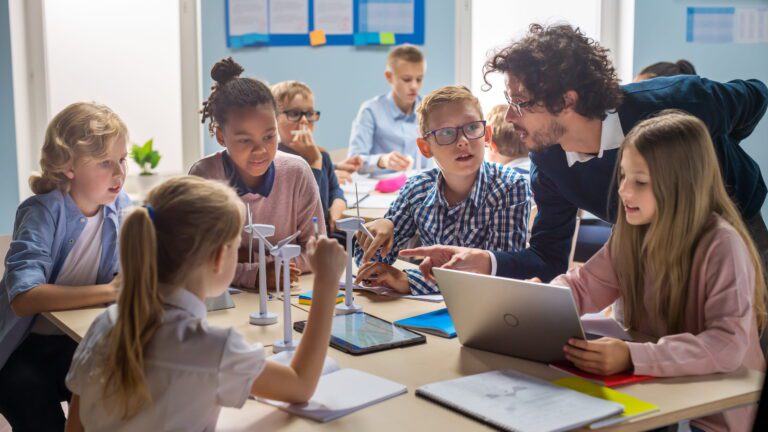
ES Teacher Working with Students on Laptop

Elementary Prompts: Planting the Seeds of Character

  • Collaboration in Action: If our school had a problem (like not enough playground equipment), how could we use “collaboration”—working together—likestrongleadersto solve it?
  • The Weight of Choice: Leaders often must make choices that not everyone likes. How can a leaderdo what’s right, even when they have to say “no” to something popular?
  • Modern Bravery: What are some “brave” things a leader can do today thatdon’tinvolve fighting?
  • Communication Evolution: Historically, many leaders used the radio to talk to people in their living rooms. Do you think they would use YouTube, TikTok, or a podcast today? How would seeing their faces change how people felt abouttheirmessage?

Secondary Prompts: Analyzing Complexity and Influence

Older students can dive deeper into the nuances of power, technology, and the endurance of character:

  • Timeless Traits: Which leadership traits—like integrity or resilience—remain essential regardless of the century?
  • Digital Diplomacy: How have tools like social media and global connectivity changed the way leaders communicate?Does a “global stage” make a leader more or less authentic?
  • The Speed of Information: In the past, it took days or weeks for people to hear what leaders said andshared.Today, we hear or see it in seconds. Does knowing information faster make a leader’s job easier or harder?
  • Listening as Power: Imagine you are a leader duringa difficult time.What qualities are important? Goodlistening?Clarity of communication?Empathy or decisiveness?Why?
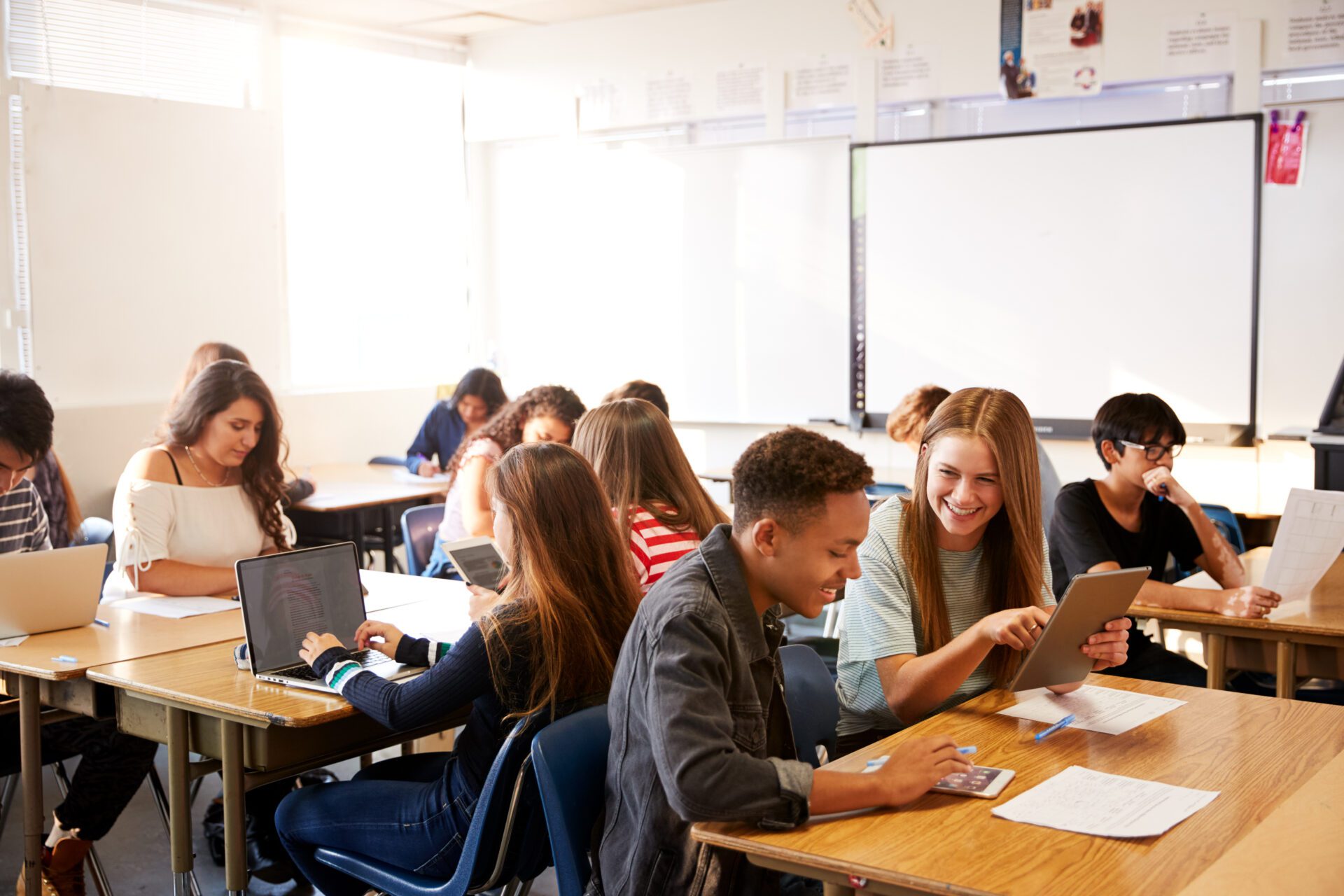
Classroom of Students Using Technology

Celebrating Civics and Leadership with Ǹ Experience

To bring these discussions to life, Ǹ Experience provides learners with a variety of interactive experiences designed to illustrate what effective leadership looks like in action. By moving history off the page and into an interactive medium, we help students see themselves as part of the narrative.

The Civics and Civics Connected Channels in Ǹ Experience provide real‑world content and hands‑on activities that help students understand democracy and develop the civic skills needed to create meaningful change.

  • TheGrades 3 -12 | This immersive experience explains to students how leadership, communication, and informed action unite people for the greater good. By equipping students with the tools to develop their civic voice and engage meaningfully in everyday life, they learn to build a future where they lead with purpose. TIP💡Use theSpotlight on Strategies (SOS), specifically the, to allow students to map out the relationship between a leader’s action,impact, andthevalueitrepresents.
  • is an instructional strategy students can use to analyze and compare leadership qualities of historical U.S. Presidents and modern leaders. TIP💡The Studio Tool encourages students to build a digital Venn diagram inStudio, adding video clips of speeches and primary source images to justify their comparisons.
  • | Grades 6-8 | Students explore the concept of civic power throughout history.
  • Being A Leader is a studio board that allows students in grades 3-5 to examine the qualities of a leader.
  • allowsstudents to learn about the history of Presidents Day as well as what qualities make a good leader.

Through open dialogue, intentional prompts, and interactive civic learning experiences like those offered by Ǹ Experience, students develop the ability to think critically about how decisions are made, appreciate diverse perspectives within a democratic society, and strengthen their own civic voice. When learners see leadership as a living, evolving concept, they are empowered to lead with understanding, integrity, and purpose. These qualities build stronger communities and sustain our democracy for generations to come.

Courtney Conley is an Information Technology Consultant for Utica Community Schools in Michigan.

Discover the Latest Education Data

Get your free copy of the 2025-2026 Education Insights Report: Engagement Fuels Learning

About Ǹ

Author picture

ǸIs an Online Learning Platform That Offers Award-Winning Digital Content & Professional Development for Educators.

Related Posts

first grade math teacher
math teacher
social studies professional development
differentiated instruction