
Key takeaways
-
Earth Day learning does not require a full unit or complex materials. Short, intentional classroom activities can spark curiosity, critical thinking, and meaningful conversations about sustainability in just minutes.
-
Hands-on activities help students see themselves as environmental problem solvers. When students explore waste, innovation, ecosystems, and real‑world challenges, they begin to understand how their everyday choices connect to larger environmental solutions.
-
Earth Day works best as a starting point, not a one‑day lesson. Classroom-ready resources and ongoing student activities help extend learning beyond April 22 and build lasting habits of environmental stewardship.
Earth Day in Action: Small Steps, Big Impact in the Classroom
On April 22, classrooms across the country pause to celebrate Earth Day, a moment to reflect on our responsibility to care for the planet and empower the next generation to do the same. What began in 1970 as a national teach-in about environmental issues quickly became a global movement that highlighted the importance of environmental education in building environmentally responsible communities. Earth Day continues to serve as a reminder that meaningful change often starts with awareness, curiosity, and small daily actions.
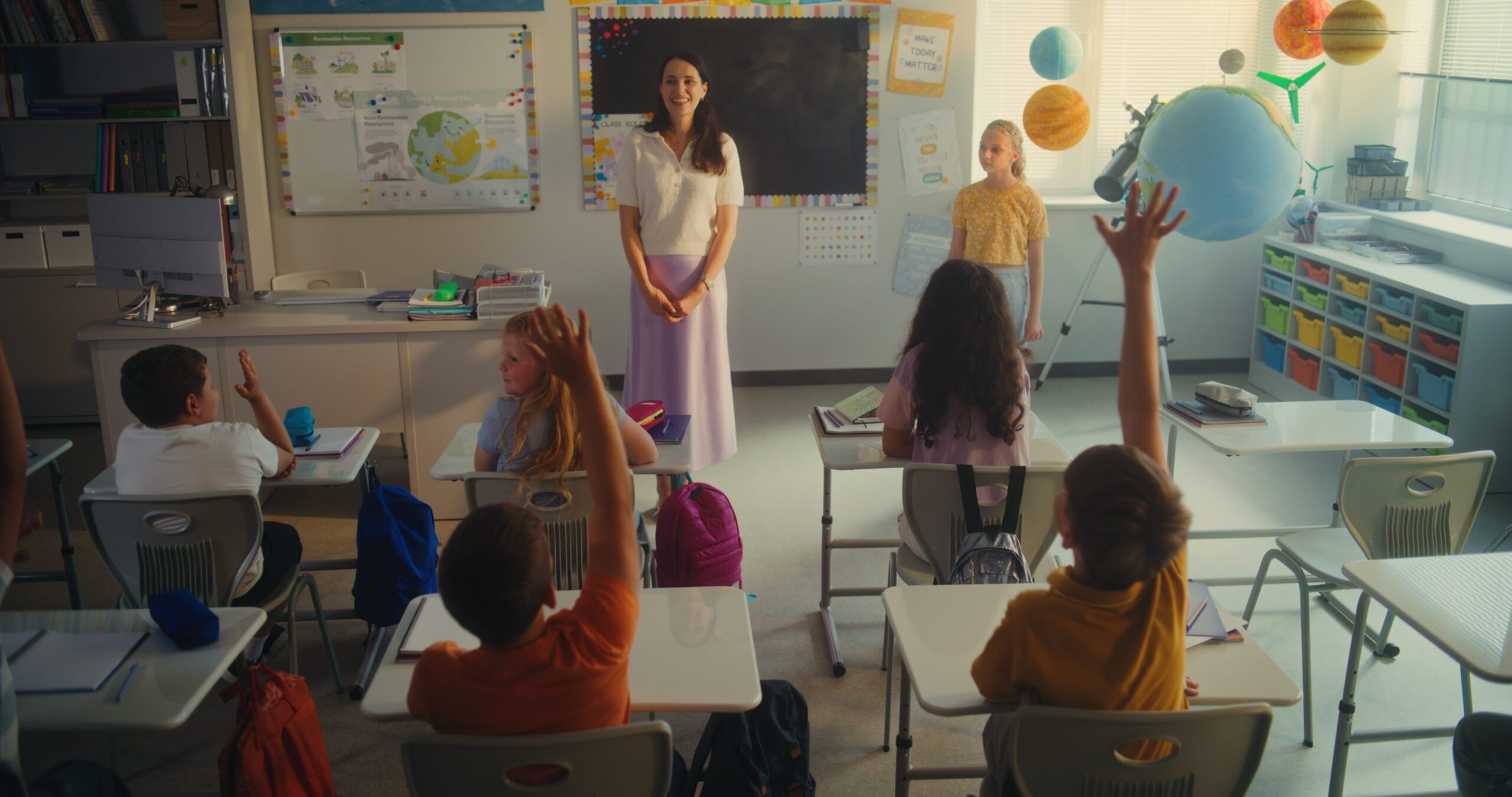
Earth Day is an opportunity to engage students in real-world problem solving. Environmental education helps students strengthen critical thinking, build essential life skills, and recognize how their daily choices influence the world around them. When students begin to see themselves as stewards of their environment, they naturally connect science, innovation, and community responsibility in meaningful and lasting ways.
The good news? You don’t need elaborate materials or a full unit plan to begin. Sometimes the most impactful learning starts with a simple, energizing classroom activity.
Classroom Activity 1: “Trash or Treasure?†(Earth Day Warm‑Up)
Time: 10–15 minutes
Grade Levels: 3–8 (easily adaptable)
Materials:
- A small collection of everyday items (plastic bottle, cardboard box, aluminum can, food wrapper, paper towel roll, etc.)
- Chart paper or whiteboard
Directions:
- Place items on a table or display them to the class.
- Ask students to quickly sort each item into one of three categories:
- Reuse
- Recycle
- Reduce
- Invite students to justify their choices.
Conclude by asking:
- What happens to these items after we throw them away?
- How could we redesign them to reduce waste?
- Why does reducing waste matter?
Why this works:
This quick activity introduces the concept of responsible consumption and waste reduction while sparking curiosity. It also builds a natural bridge to the idea of a circular economy, where products are designed to be reused, repaired, or recycled rather than discarded.
Classroom Activity 2: Explore the Circular Economy Through Innovation
Once students begin thinking about waste and sustainability, it’s the perfect time to introduce the concept of innovation. The circular economy encourages us to rethink how products are made and used, focusing on reducing waste, conserving resources, and designing smarter systems for the future.
A powerful way to extend this learning is through the Generation Innovation: Circular Economy resource from the °Ç¸çºÚÁÏ Environmental Education Initiative.
This resource helps students:
- Understand how everyday products impact the environment
- Explore innovative solutions to reduce waste
- Develop problem-solving and design-thinking skills
- See how science and creativity can work together to protect the planet
You can access the lesson and classroom materials here:
These materials are designed to be standards-aligned and classroom-ready, making them an easy addition to Earth Day lessons or STEM units focused on sustainability.
Explore K-12 Environmental Education Resources
Classroom Activity 3: Student‑Led Environmental Challenges and Projects
Earth Day should be a starting point, not a one-day event. Ongoing environmental learning helps students build habits that last a lifetime. Fortunately, there are many ready-to-use activities that make it simple to integrate environmental topics into daily instruction.
The Student Activities collection from the °Ç¸çºÚÁÏ Environmental Education Initiative provides engaging options such as:
- Hands-on experiments
- Data collection and observation activities
- Environmental challenges and projects
- Collaborative problem-solving tasks
These activities support inquiry-based learning and encourage students to explore real environmental issues while developing communication and teamwork skills.
You can browse the full collection here:
Classroom Activity 4: Explore Ecosystems Across America
One of the most exciting ways to build environmental awareness is by helping students understand how ecosystems vary across regions. The Excursion Across America series introduces students to environmental topics through engaging videos and interactive lessons that highlight regional differences in climate, resources, and sustainability practices.
These experiences allow students to:
- Explore forests, waterways, and ecosystems across the United States
- Learn how communities protect natural resources
- Understand the connection between local actions and global impact
The program includes animated videos and ready-to-use classroom activities that show how students can make a positive difference in their own communities.
You can explore the series here:
Corporate Insights by ours Partners Nucor & Itron
Nucor
Itron
Bringing It All Together: From Awareness to Action
Earth Day reminds us that environmental stewardship begins with education, and education begins with engagement. A simple classroom activity can spark curiosity. A hands-on challenge can build understanding. And the right resources can help students turn ideas into action.
This Earth Day, start small.
Start with a conversation.
Start with curiosity.
Because the future of our planet may begin with one classroom, one idea, and one student ready to make a difference.
Discover great Earth Day materials by visiting the Environmental Education Initiative or logging into °Ç¸çºÚÁÏ Experience and bookmarking the Earth Day channel.
Earth Day FAQs:
Earth Day is celebrated annually on April 22.
Earth Day is a global movement that began in 1970 as a national teach-in focused on environmental issues. It serves as a time to reflect on our responsibility to protect the planet and to empower students through environmental education.
The first Earth Day was held in 1970.