Ǹ

K-12 Instruction & Pedagogy Guide

Instructional Excellence Playbook

Building a strong foundation for student success begins with high-quality Tier 1 instruction. By focusing on evidence-based practices and standards-aligned content, educators can ensure that all students receive the grade-level instruction they need to make progress. To achieve better outcomes, districts must prioritize coherent implementation and systematic supports that meet students where they are. In the following sections, we explore the five “must-haves” for effective Tier 1 instruction and how to use a systems approach to empower every learner.

de resource Blueprint For Instructional Excellence mockup stack

Get the Blueprint for Instructional Excellence

Download our latest guide to explore strategies and action steps you can use to strengthen instruction and sustain progress, today and tomorrow.

de ed insights 2025 2026 lightbulb icon

Explore Ǹ for Your School or District

Request a Demo

Five “Must-Haves” for Strong Tier 1 Instruction

1. High-Quality Instructional Materials with Coherent Implementation

Although thereis no single definition for “high-quality instructional materials (HQIM),”many districts considerthe followingelementsto be essential:

  • Alignment to academic standards
  • Evidence-based instructional practices
  • Rich content
  • Cross-cultural relevanceandunbiased language
  • Extensive teacher and student materials

Studiesshowthatthe cumulative effect of using HQIMis significant for studentmasteryof grade-level standards.However,adopting HQIM withoutcoherent implementationmay lead toineffective or inconsistent use.Avoid this byanticipatingpossible barriers, using a systems approach, aligningteacher supportsand PD, and preparing intentionally.

2. Evidence-Based Instructional Practices

Studentsachieve better outcomes when teachersare able toincorporate evidence-basedpractices intosystematic, explicit, and differentiatedinstruction.Make sure that yourcore and supplemental curricula and resourcesare built aroundevidence-basedpractices,and thatthestaffparticipatesin professional learningto stay up to date with the latest research.

3. Universal Screening and Progress Monitoring

Identifystudents who will need extra supportearly with universal screeningand trackTier 1student progresswith regular formative assessmenttoevaluate instructional efficacy andmake adjustmentswhennecessary.

4. Differentiation

Since no two students will have identical academic skills, interests, and developmental paths, differentiation is key to ensuring that all students receive what they need to make progress. This is also important for keeping students who might otherwise require intensive intervention in a Tier 1 environment.Types of differentiation includecontent, process, projects, and learning environment.

5. UDL-based Access and Engagement

By embracingUniversal Design for Learning (UDL)principles,educatorscanset clear goals,anticipatechallenges,andcreate meaningful optionsthatempower students to learnaccording to their unique strengths.Research shows that UDLimproves student outcomes in literacy, content area learning, and engagement.

Examples of Research-Backed Strategies for High-Impact Teaching

Implementation of research-backed teaching strategiesformsa strong foundationfor high-impact teaching.Your team canchoose froma wide variety of strategiesthat are proven effective, such as:

  • Explicit instruction using a gradual releaseapproach (“I do, we do, you do”)
  • Formative assessment with feedback loops
  • Scaffolded instruction
  • Metacognitive strategies(plan – monitor – reflect)
  • Blended and flipped learning
  • Inquiry-basedteaching

Ǹ Program Support for Tier 1 Instruction

EveryǸ program gives educatorsmultiple ways to improve Tier 1 instructioninclassroomsthroughouta district.

K–12Math, Reading, Science, Social Studies, Careers

ǸExperienceprovidesstandards-aligned content curated specifically for classrooms across the U.S.alongwithsupporting instructional strategiestokeep students engaged for meaningful learning.Becauseit’san all-in-one program with curriculum-aligned resources and contentthat’sfully vetted, it simplifies instructional planning and delivery.Teachers canidentifyindividualneeds using built-in assessments or by creatingcustom standards- or concept-based assessments,and they can personalize learning with videos, activities, and otherExperiencecontent.What’smore, educatorscan expand their ownknowledge and understandingusingembedded instructional guidesandMcRELand Marzano professional learning.

K–8

DreamBoxMath is an adaptive, engaging program that personalizes learning to meet students where they are.It’saligned to state standards and leading core math curricula, removing implementation obstacles.Educators can use it to build confidence, deepen understanding, and drive progress with scaffolded lessons, embedded formative assessments, and smart technology thatallcomplement core curriculum.For example,DreamBoxMathusesautomatic differentiation and continuous formative assessmentto generatereal-time data insights that save educators time and inform instruction.Its hands-on, game-likelessonsand virtual manipulatives help learners build a stronger mathematical understanding.

K–12

ScienceTechbooksupports three-dimensional learning aligned to theNext Generation Science Standardsas part of instructionthat’sengaging, relevant, and developmentallyappropriate.It offersphenomena-driven storylines that involve hands-on learningactivitiesfor students.Educators canextend access to Tier 1 science instruction to all students by taking advantage of included differentiation tools, scaffolds, and formative assessments.Theycan also useScienceTechbookto develop math and literacy skills, especially for struggling students, because lessons naturally incorporate math/ELA standards.Plus,an intuitive interface and slideshow lesson format minimizeplanning and prep time,and clear time estimates,lesson sequencing, and built-in scaffoldssupport meetinginstructional goals.

K–5

Social Studies Essentialsintegrates literacy and historical thinking to build stronger readers and critical thinkers,preparingthem for academic success andreal-world challenges. Students gain skillsby engaging with content built aroundtheCollege, Career, and Civic Life (C3)Frameworkfor Social Studies State Standardsand ELA standards, whichhelpsthemmake connectionsacross disciplines.Inquiry-based unitsgive educatorsready-to-teach lessonsthat balance on- and offline interactivityso that classroom experiences aredynamicandimmersive.Social Studies Essentials also savesplanning time with a variety ofteacher-friendlysupports.

District leadership, principals, curriculum directors, teachers ,and instructional staff will find this guide useful to drive student success and improve instruction. You’ll discover:

  • Role-based perspectives for district leaders, principals/site leaders, curriculum directors, and teachers
  • 20+Practicaltipsto help teams prioritize what matters most,without adding complexity
  • 4Quick wins you can implement now, plus ideas to support long-term sustainability
  • Guidance for navigatingcommon challengeslike communication, capacity, implementation readiness, and engagement
  • Ways Ǹ can help supportthischallengingwork

K-12 Instruction & Pedagogy Resources

Effective pedagogy thrives at the intersection of intentional classroom culture and high-impact instructional design. By balancing clear expectations with multimodal, interactive learning, educators create environments where students feel safe to take risks and engage deeply with complex content. Explore our guide to master the scaffolding and instructional strategies that turn passive observers into invested learners.

K-12 Instruction & Pedagogy Blogs

Ǹ’s K-12 Instruction & Pedagogy Guide helps educators build predictable environments where interactive learning thrives. By integrating scaffolding and multimodal strategies, teachers can deepen student engagement and transform how learners process information. Explore our frameworks for practical strategies you can use today.
multimodal learning

Multimodal Learning

Discover what multimodal learning is, its benefits for engagement and retention, and practical ways teachers can implement it effectively.
interactive learning

Interactive Learning

Learn how interactive, student-centered learning increases engagement, retention, and collaboration using hands-on strategies and purposeful technology.
scaffolding in education 1

Scaffolding in Education

Discover the definition of scaffolding in education, its benefits, and classroom strategies that support learning and independence.
instructional resource guide

Instructional Strategies

Learn simple, effective instructional strategies that boost engagement, improve understanding, and help teachers support diverse learners in any classroom.
de 2025 Ed Insights Social Share V2

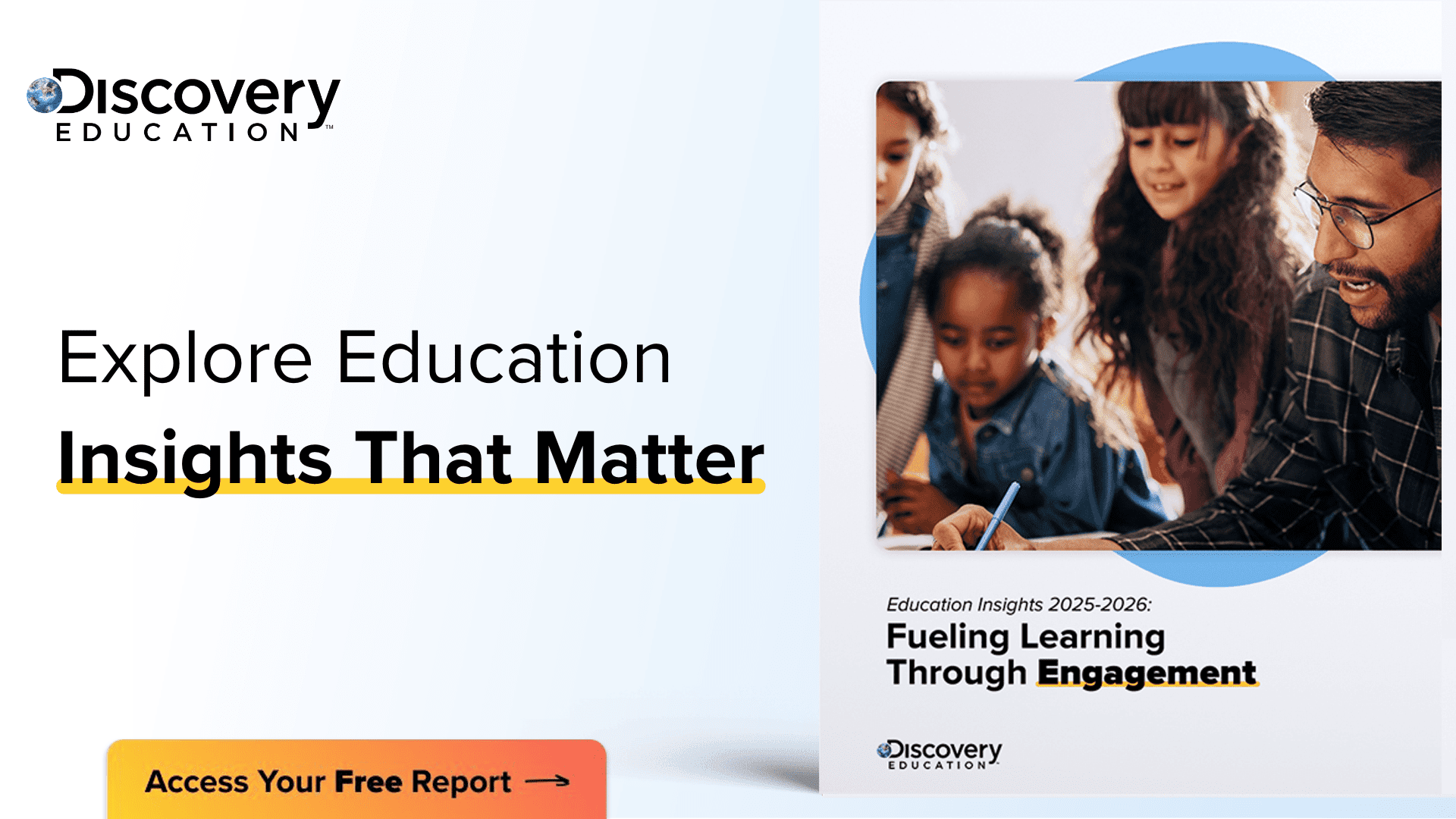
2025-2026 Education Insights

Download our latest report, Education Insights 2025-2026: Learning Today, Leading Tomorrow, to understand the evolving landscape of education and its impact.
bts blueprint lp social share

Back-to-School Blueprint

Find new strategies and ideas for how your staff can work together to help students achieve success from day one.
silent reading fluency social share

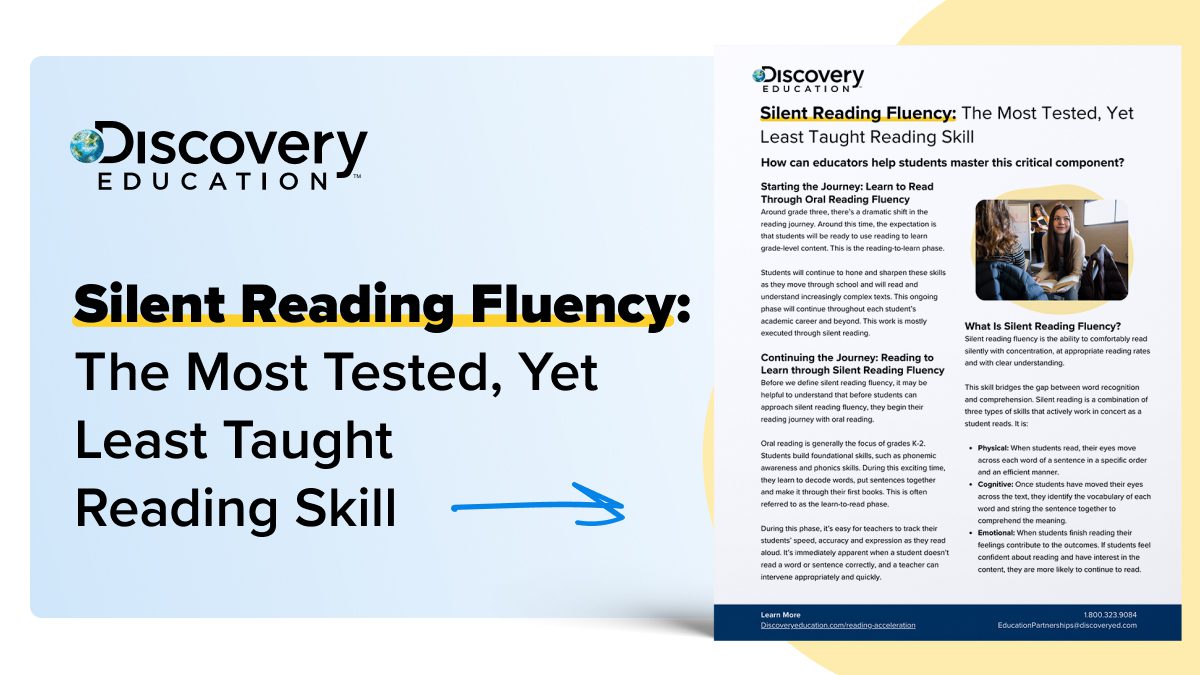
Silent Reading Fluency Guide

Students use silent reading daily, but it is also a common struggle. Download Ǹ’s Silent Reading Fluency Guide to learn more about this important reading skill and find ways educators can help students master this critical reading component.
Maximize time Social Share 1200x675

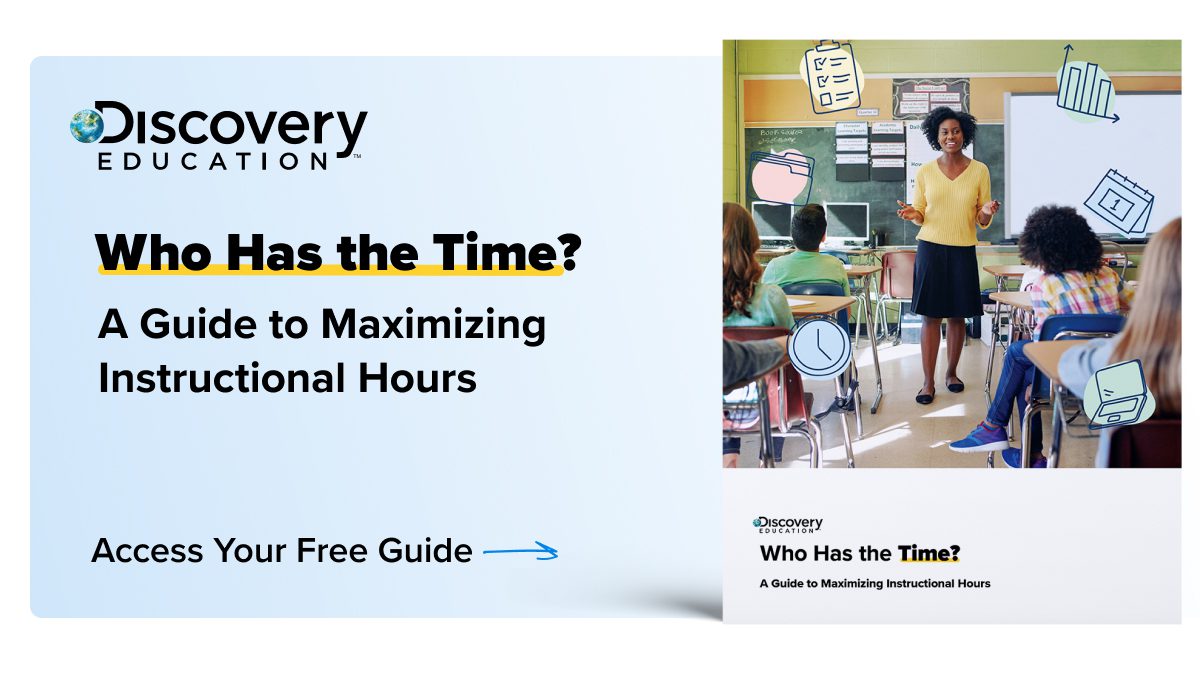
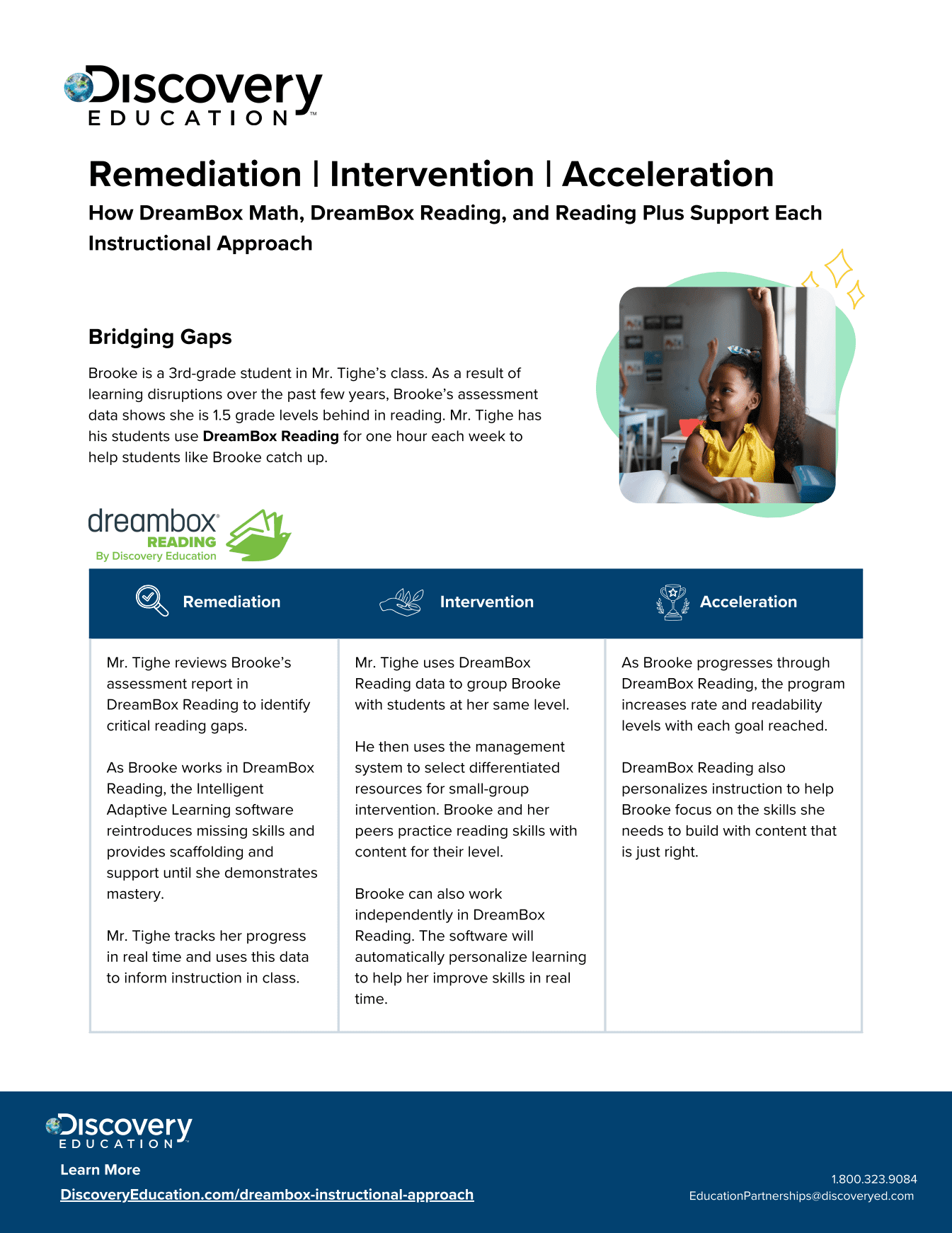
A Guide to Maximizing Instructional Hours

Download our latest guide, Maximizing Instructional Time, to learn how to help teachers refocus their energy and time with programs that operationalize and streamline their daily lives.
summer blueprint ebook pages

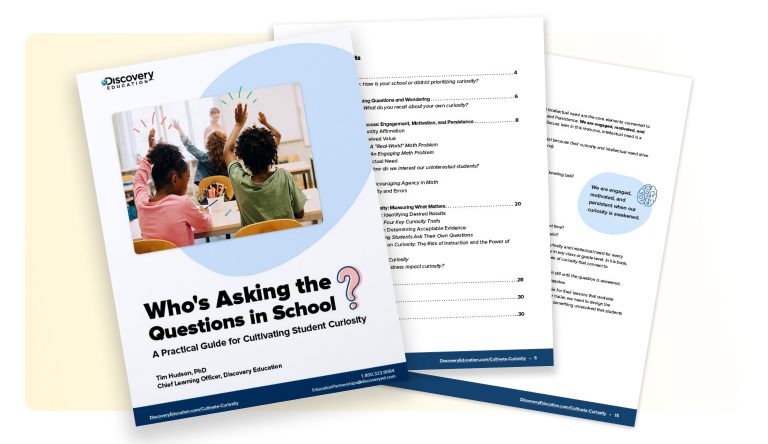
Summer Success Blueprint

Download the Summer Success Blueprint to learn more about how to set up a successful summer program that supports teachers and students.
Let’s Chat about a Partnership with Ǹ

Learn how partnering with us can bring solutions to your school or district.